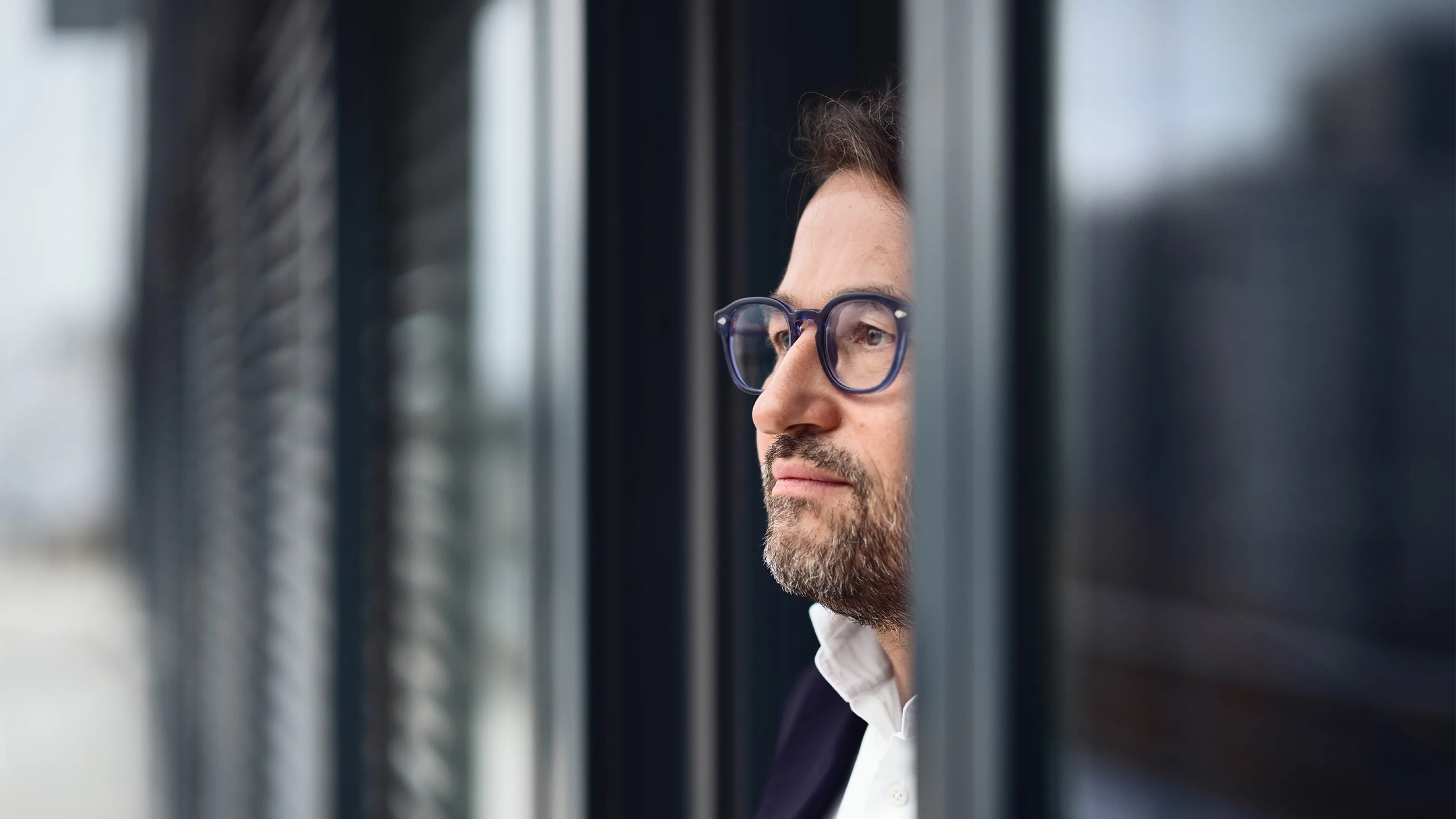
In the competitive legal landscape of Poland, SK&S prides itself on consistently high quality, deep specialist practices, and long-term relationships.
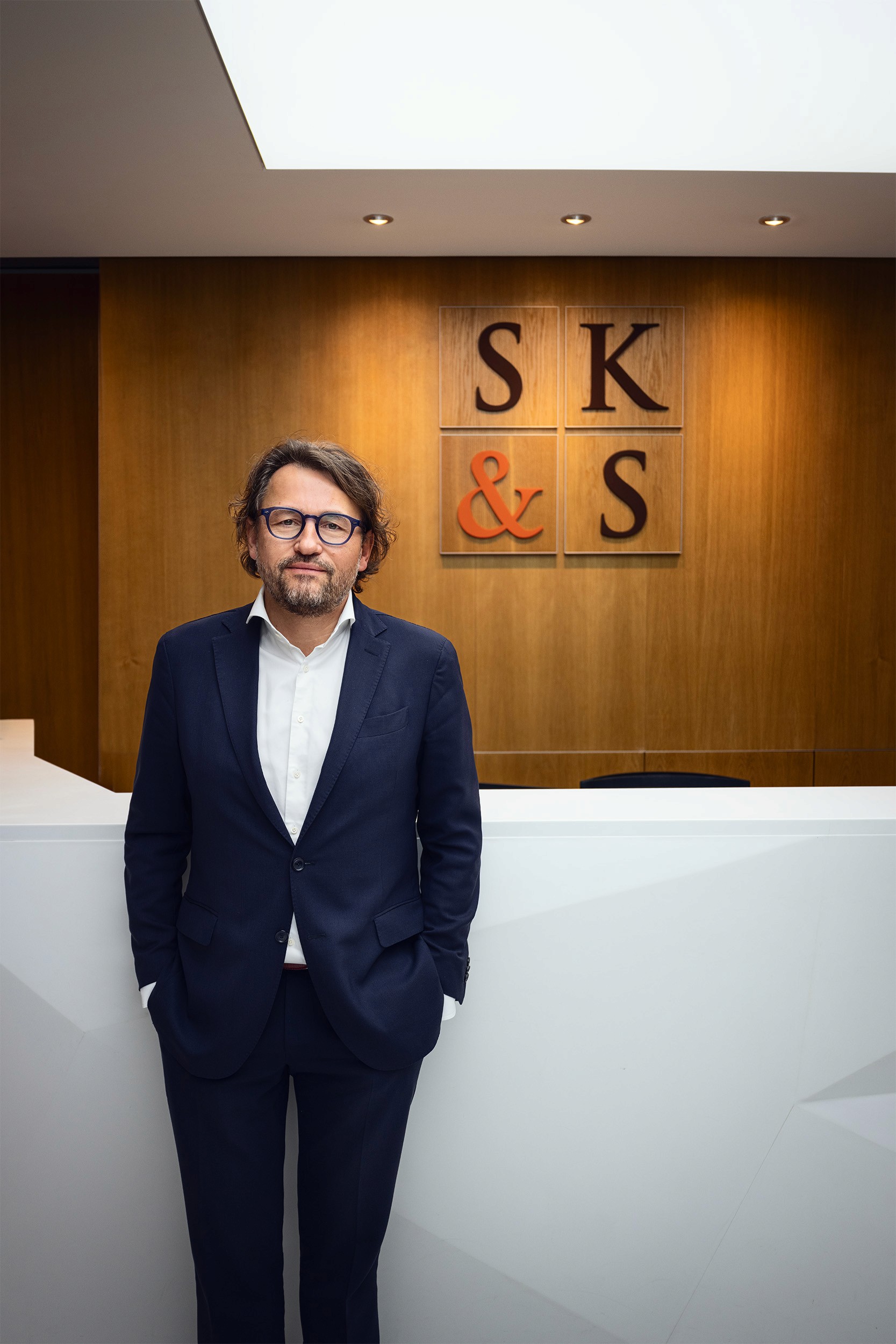
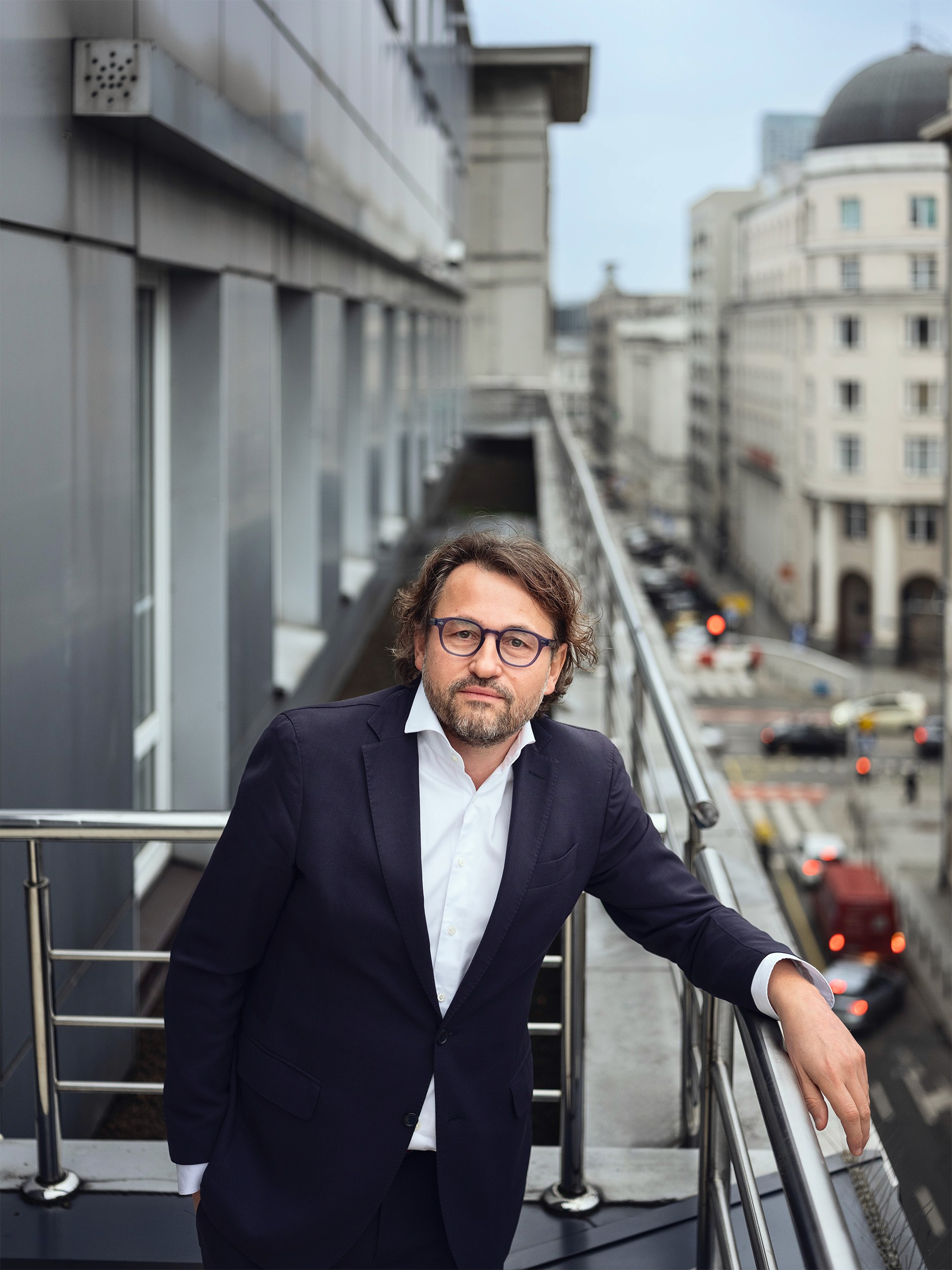
“We’ve always been known for taking on difficult cases,” says Managing Partner Marcin Olechowski, “ones that require not just legal knowledge but creative, strategic thinking. We’re deeply specialized experts who at the same time understand that legal advice must serve business objectives.” For SK&S, their identity hasn’t changed with AI. AI is being folded into it.
AI as a sparring partner
SK&S focuses on premium, complex work. And Olechowski is clear that human judgment remains the center of gravity. He describes Legora as a “sparring partner”, a way to stress-test reasoning, surface new angles, and structure analysis on difficult questions that do not have easy answers.
Today, the most visible impact sits where you might expect it, including handling large volumes of documents and data, accelerating reviews of big caseloads or transaction materials, organizing internal knowledge more coherently, and supporting lawyers on projects that have AI components baked in. In research and legal analysis, the firm uses AI as a powerful tool – a tool that elevates the work lawyers can do. It supports deeper exploration of legal questions while enabling lawyers to review and refine results with greater precision.
“We are of course keeping lawyers involved at every stage, guiding and validating the output,” Olechowski notes. “The need for lawyers to maintain and apply their core expertise remains essential. Having a lawyer in the loop is non-negotiable.”
Why SK&S moved on AI
SK&S has never chased trends. The firm is naturally cautious, but it has long been plugged into technology. SK&S has always understood that their role as lawyers requires them to deeply comprehend the new tools and systems that shape their clients’ businesses.
They have advised Microsoft in Poland for decades and were among the first firms in the country to start using Copilot. By the time they looked at AI dedicated to law, they were already “in an AI mood,” as Olechowski puts it.
“Interestingly, I don’t believe we’ve had much pressure from clients to go to AI,” he says. “But what has changed on the client side is their reaction once they see that SK&S uses AI thoughtfully.”
“When clients see that we are familiar with AI not only on the regulatory side, but also because we understand how it works and because we use it, that makes a difference,” he notes. “Speed, budget control and structured deliverables become easier to offer without compromising the firm’s quality bar.”
European roots, legal-grade guarantees
When SK&S decided to bring legal-dedicated AI into the firm, the baseline requirements were non-negotiable: security, confidentiality, operational reliability and clear legal guarantees.
“Several things about Legora stood out for us,” says Olechowski. “First, it’s a European venture, with data processed within the EU, which immediately aligns with the firm’s expectations around sovereignty and regulation.”
Just as importantly, the contractual framework makes it explicit that Legora models do not train on SK&S data and that there is no third-party access to client information. All of this sits on top of robust provisions governing data ownership, personal data processing and copyright, giving the firm the kind of legal and operational certainty it expects from any critical piece of infrastructure.
“These were ‘hard’ characteristics that were key in taking that decision,” says Olechowski.
Only once those boxes were ticked did the firm look at softer factors: user experience, responsiveness and the quality of collaboration.
“The tool is user-friendly and responsive,” he adds. “But what we have really appreciated is the level of engagement on the part of the Legora team, that has been first class. During the pilot phase we were very satisfied with how any questions, concerns and requests were handled.”
Today, SK&S views Legora as an element in a broader innovation roadmap rather than a whole new identity. “It's infrastructure that’s powerful, but supports the way the firm already works.”
Implementation and super-users
Implementation and adoption at SK&S have been deliberate and structured, rather than framed as a big-bang announcement. The rollout has been led by the firm’s AI and New Technologies Practice – lawyers who understand both law and technology. That is a deliberate choice in itself: this is not an IT project being imposed on lawyers, nor a case of lawyers being asked to use tools they don’t fully understand.
Before any broad move, SK&S put several important building blocks in place. Super-users were identified across different practice areas, creating internal points of expertise and momentum. These super-users meet regularly to share experience and refine ideas on where to use Legora, ensuring that learning is collective rather than siloed. Finally, a clear governance policy sets out what lawyers should and should not do, giving people confidence that they are using AI safely and appropriately.
“That gives them a degree of comfort,” Olechowski explains. “When they are engaging with AI, they’re doing it in an environment where we’ve told them what the likely missteps are, so they don’t have that fear.”
“Productivity gains are most visible where use is mindful and structured, not automatic. Teams that build clear workflows, templates and playbooks are seeing measurable benefits, especially in large-document work.”
Freeing lawyers to do the work that matters
When AI can strip out repetitive tasks, it opens up opportunities for how time is spent. “In an ideal world,” Olechowski says, “that would allow lawyers to focus on other client work that they were not able to take on because they were busy with admin.”
“AI makes it easier to free lawyers from grunt work so they can focus on higher-value analysis and strategic advice, the work clients actually hire SK&S for.”
Training the next generation
One of the biggest open questions for the profession, in Olechowski’s view, is training.
“It would be very short-sighted to say we don’t need junior lawyers anymore because AI will do the grunt work,” he argues. “What happens when your experienced lawyers age out of the business? Who will replace them?”
SK&S remains committed to training, but recognises that the shape of training will inevitably change. As AI begins to take over some of the classic junior tasks, the firm is thinking carefully about how to create new ways for younger lawyers to gain meaningful experience. At the same time, SK&S is weaving AI and prompting literacy into the skillsets it expects, with a clear distinction between casual consumer tools and professional-grade, law-firm contexts. The firm is also trying to break out of overly narrow specialisation, giving younger lawyers exposure to multiple practice areas so they can develop into more rounded, complete professionals.
Olechowski jokes that he actually liked the all-nighters, but he accepts that many newer lawyers have different expectations. “If AI can filter out the most tedious parts of the job, what remains becomes obviously more attractive.”
Standing out in Poland’s crowded market
Poland’s legal market is dense and highly competitive, and in that environment efficiency alone is not a differentiator. For SK&S, its edge comes from a combination of qualities that reinforce one another. The firm is, first and foremost, built on uncompromising quality paired with sharp business acumen.
At the same time, SK&S combines full-service breadth with boutique-level depth. Its specialist practices are not simply support units for M&A or disputes, but teams with experience and track records. That depth allows the firm to handle complex matters in a way that feels both integrated and highly specialised.
All of this sits within a deeply collaborative, organically grown culture. Many partners, including Olechowski himself, joined the firm as interns and never left. In that context, AI becomes a natural fit for structuring internal know-how and enhancing collaboration that already exists, rather than forcing a new way of working onto the organization.
Crucially, SK&S has no interest in what Olechowski calls “AI theater.” “We’re not prone to this idea of saying that overnight we will become an AI-centric firm or that AI will define our strategy,” he says. “We know why clients come to us and what we can deliver. Legora helps us do this better, more efficiently and more quickly.”
What comes next
Looking ahead, Olechowski is both realistic and optimistic. He is convinced that in top-end, premium work, there will always be room for humans, provided they are at the top of their game.
“The basic structures of the market,” he believes, “will not change overnight. Social and institutional realities move more slowly than technology, even when the technology itself is advancing at extraordinary speed.”
He also notes a growing asymmetry between law firms and the public sector, particularly the judiciary, where cloud and AI adoption remain limited. “That difference in pace creates the risk of two different speeds operating within the same legal ecosystem, and may require new forms of mediation between AI-enabled clients and institutions that still function largely without it.”
More than a magic wand
For SK&S, AI is neither a miracle nor a menace. It is a powerful enabler that must be deployed with discipline. “AI is powerful, but it is not magic,” says Olechowski. “And it’s not about whether a firm has access to a tool or not. The firms that will succeed are those that keep their analytical capacities challenging, disciplined and evidence-driven, while remaining open to innovation wherever it genuinely improves client outcomes.”
AI will shape the profession. But at SK&S, the center of gravity remains where it has always been: the relationship between client and lawyer, and the quality of work that relationship produces. Legora is one of the platforms helping the firm protect and strengthen that standard as the world around it changes.