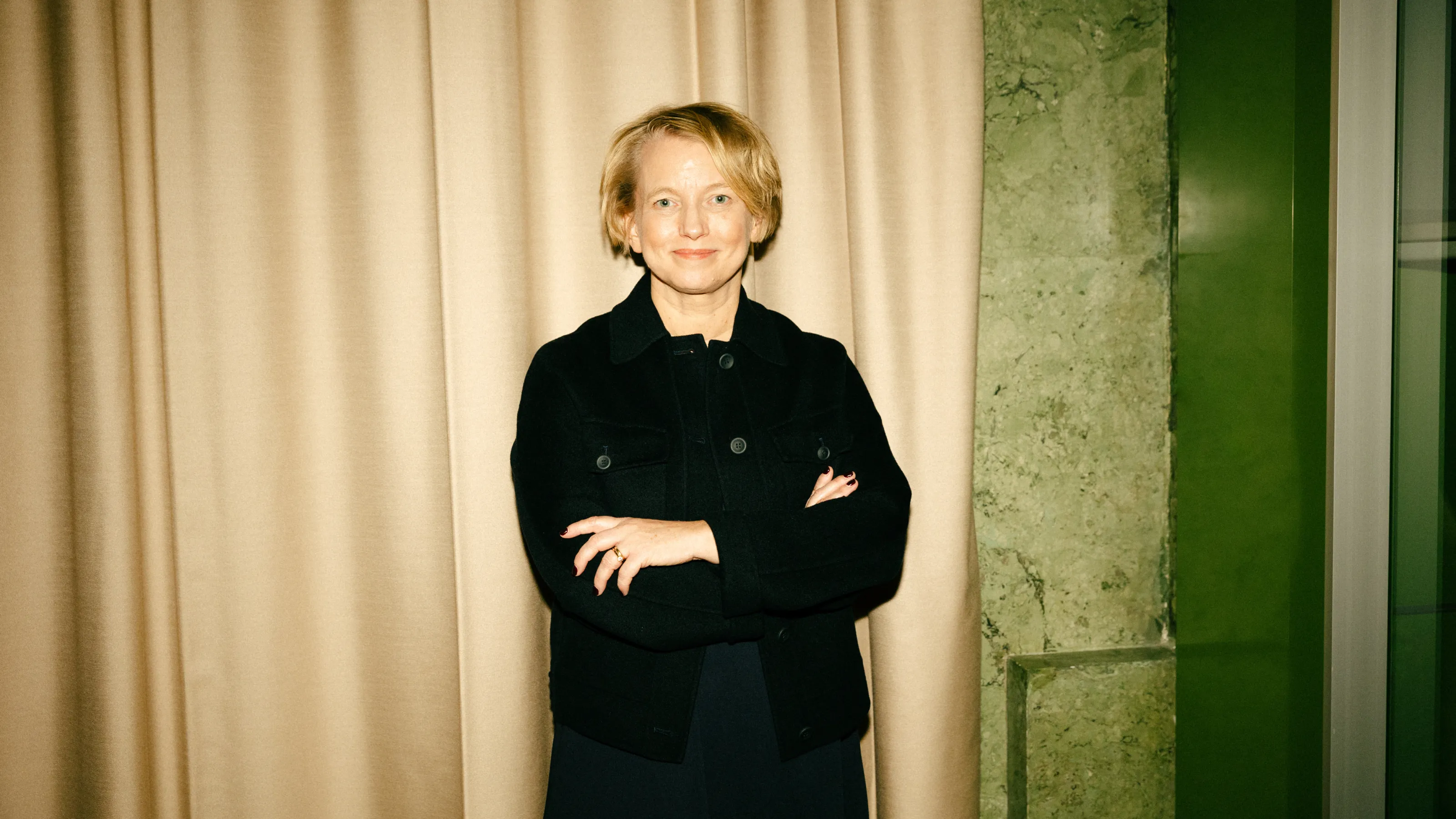
In the first of our new content series ‘Her Counsel’, we’re dedicating space to the inspirational women reshaping the legal profession. Leaders whose work, insight, and courage are paving the way for others. At a time when the industry is being remade by technology, new business models, and changing expectations of leadership, it has never been more important to amplify the voices driving that change.
Maria-Pia Hope is one of those voices. Known for her clarity, integrity, and ability to lead with both empathy and conviction, she has spent three decades navigating, and often challenging, the structures of private practice. Her story is not defined by her title, but by the perspective she has gained: as a lawyer, as a leader, and as a woman who has seen the industry evolve from the inside.
Today she brings that experience into her role at AGRD, the first private-equity backed legal group in Northern Europe, where she is designing a new kind of legal organization, one built intentionally for the future.

How it began
“I chose to study law because I wanted to become a diplomat,” Maria-Pia recalls. The global orientation, the sense of public purpose, and the idea of shaping outcomes on an international stage initially drew her toward a diplomatic career.
But a few internships in private practice shifted her trajectory. The pace, the people, the cross-border matters, and the opportunity to help shape emerging industries challenged everything she assumed about the legal profession. What began as a “three-to-five year trial” has become a thirty-year career. “I stayed with the same firm for 28 years, which is exactly 25 years more than I thought. Every time I wondered if it was time for a change, a new challenge or opportunity came along. Looking back, I progressed much faster than I ever thought I would.”
“I realized that lawyers, too, can make a difference,” she says. “You can shape new industries. You can help organizations navigate change. You can contribute to society in a meaningful way.”
Over the decades, she watched private practice professionalize, consolidate, and internationalize, and discovered that her deepest passion lay not just in the law itself, but in leadership: teamwork, culture-building, and most importantly, enabling others to excel.
Women in law: infrastructure, ambition, and the long arc of progress
A core theme throughout Maria-Pia’s career has been the evolving landscape for women in the legal profession. She has lived and worked in different countries, and has seen how profoundly different systems shape women’s ability to progress.
“In the Nordics, the infrastructure matters,” she says. Shared parental leave, societal expectations around equal participation at home, and flexible work cultures create conditions that support long-term career advancement. It’s a foundation that allows women to stay, grow, and lead.
But she is clear that infrastructure alone does not guarantee progress. Private practice requires intentional action: targets, accountability, and visible commitment. At her former firm, she helped introduce a 50% female partner intake goal in 2014, well ahead of much of the global market. Over a decade, the firm met that target.
“Targets signal seriousness,” she says. “They encourage women to put themselves forward, and they change the conversation.”
She has also observed the subtler barriers for women in law-firm leadership roles: a sometimes premature self-select out of partnership too early, believing it incompatible with family life; those who move to roles outside of practice expecting more balance, only to find just as much pressure and less flexibility; and the quiet confidence gap that leads many women to wait until they “tick every box” before raising their hands.
These challenges, she emphasizes, are not fixed. But they require awareness—from leaders and from women themselves.
Leading where no playbook exists
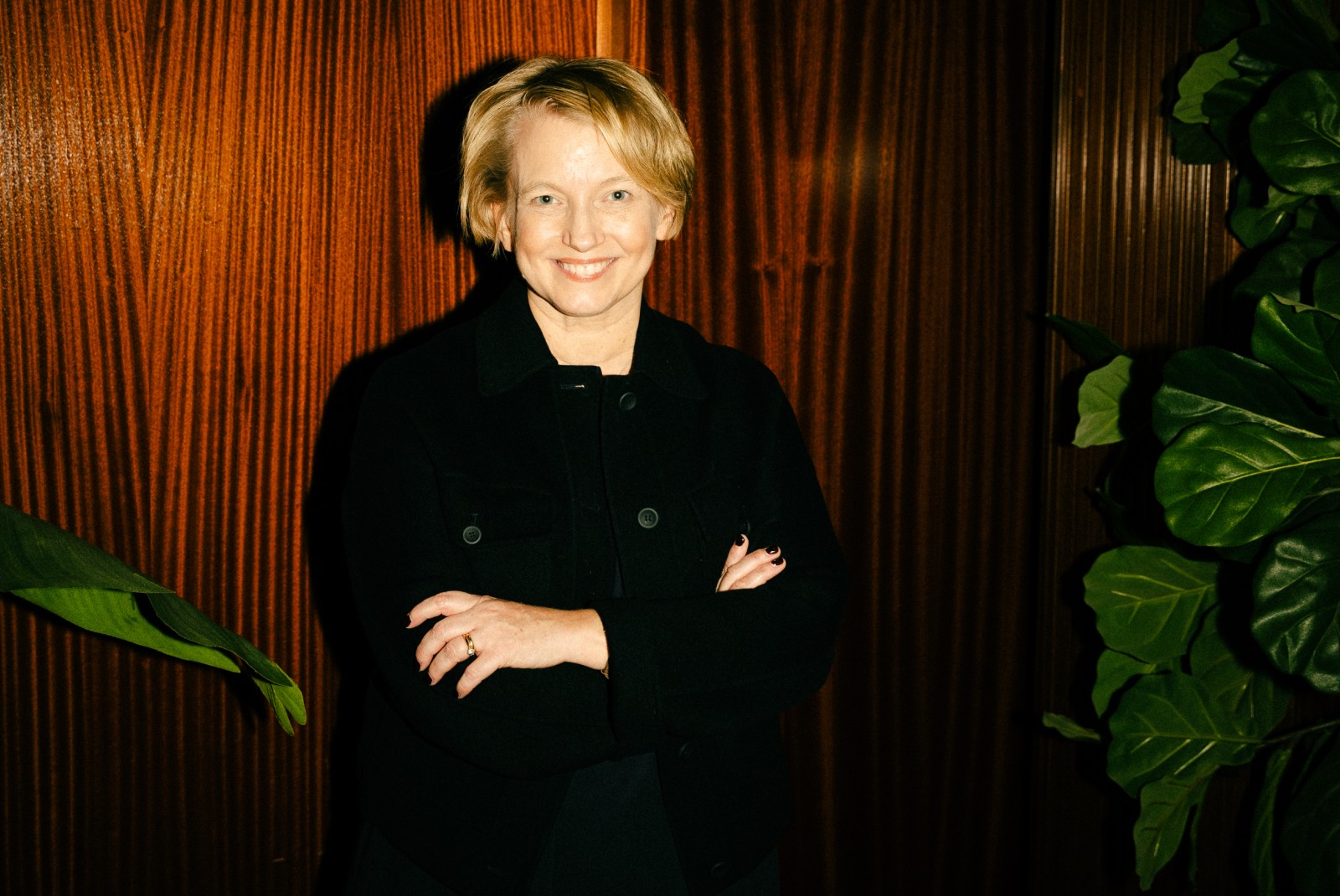
Today, as Group CEO of AGRD, Maria-Pia stands at the center of an entirely new legal-business landscape. Her mandate is sweeping: integrating acquired firms into a group creating long-term value for private-equity owners, expanding across Sweden and Europe, building a modern operating infrastructure, and ensuring that AI and technology adoption sit at the heart of the group’s identity.
“It’s a completely new leadership challenge,” she says. There is no handbook for building a PE-backed legal group in a region where it has never been done before. Everything—from governance to operations, culture to technology—must be designed from the ground up.
“One of the happiest days this autumn,” she laughs, “was just having a functioning email that worked with Teams.” Although behind the humor is a clear point: legal organizations now need leaders who can operate like startup founders, industry strategists, and transformation architects, all at once, which is far from the leadership model the profession traditionally relied upon.
Redefining excellence
When asked whether the definition of excellence in legal practice is shifting, Maria-Pia doesn’t hesitate. For decades, excellence was tied to recognizable markers: marquee clients, high-stakes work, and strong revenues. But the next decade, she believes, will challenge that view.
“Excellence will increasingly mean embracing change,” she says. “Clients want teams who reflect society. They want new ways of organizing work. They want firms that are future-proof.”
“In this future, excellence belongs to firms that integrate AI into service delivery, collaborate seamlessly across jurisdictions, operate efficiently at scale, attract diverse talent, and foster cultures people want to be part of.”
Mentorship and the power of being seen
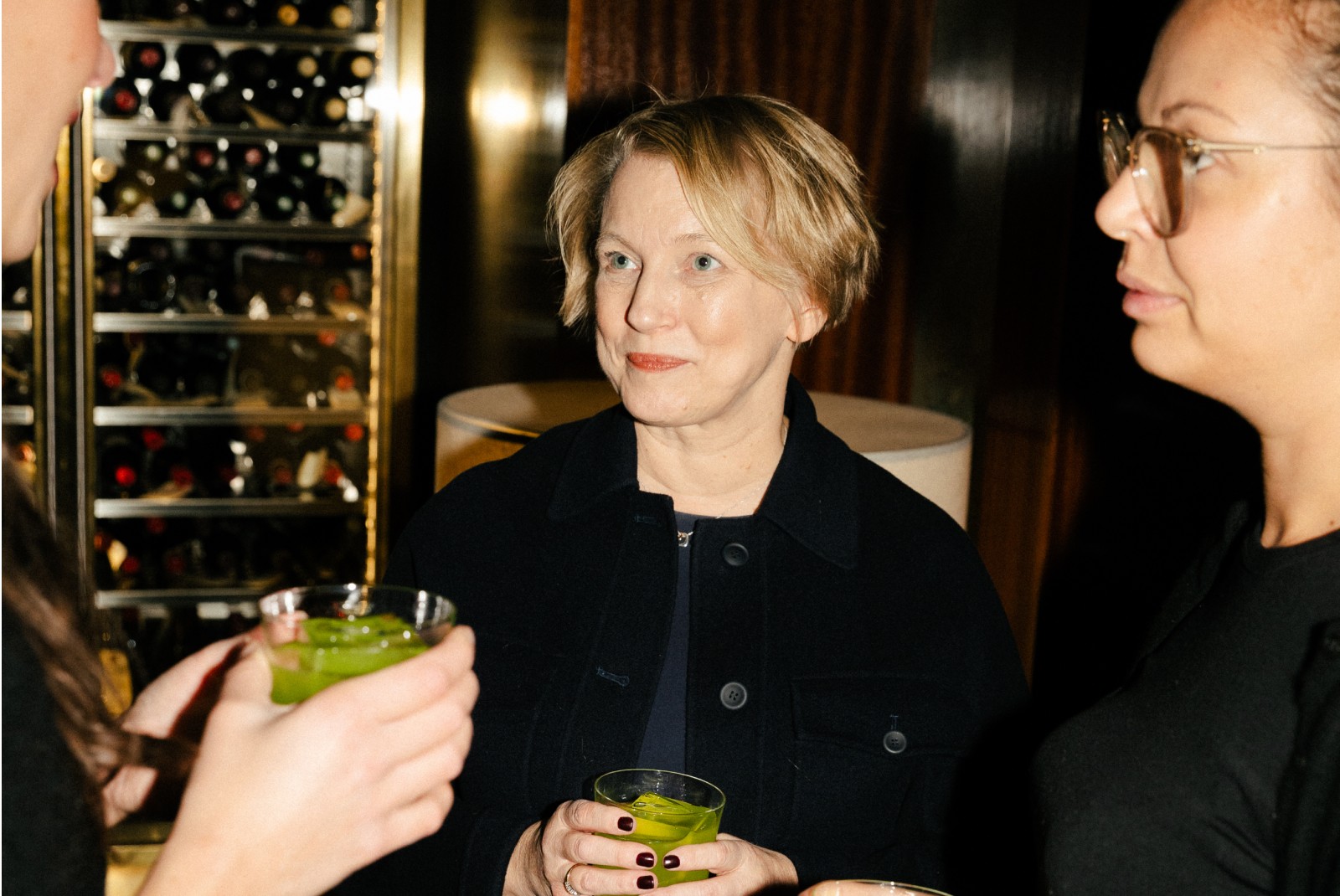
Throughout her career, Maria-Pia has experienced the profound impact of sponsorship—not via formal programs, but the human moments when someone senior signals belief: You belong here. I see your potential. Take this step. Those interventions shaped her journey, often before she realized it, and they guide how she leads today.
“As senior lawyers, we have a responsibility to support younger people, men and women alike,” she says. “It makes a real difference.”
“Leadership today is not hierarchical or command-and-control. It is grounded in perhaps more traditionally female traits, such as empathy, authenticity, deep listening. And you must have the ability to make clear decisions in moments of uncertainty. It requires leaders who can build cultures where diverse voices thrive and where people feel trusted, valued, and able to contribute.”
“It’s not surprising we see more women leading elite firms today,” she says. “These are times of uncertainty. And this is the leadership model the profession needs.”
What she’s proud of, and what comes next
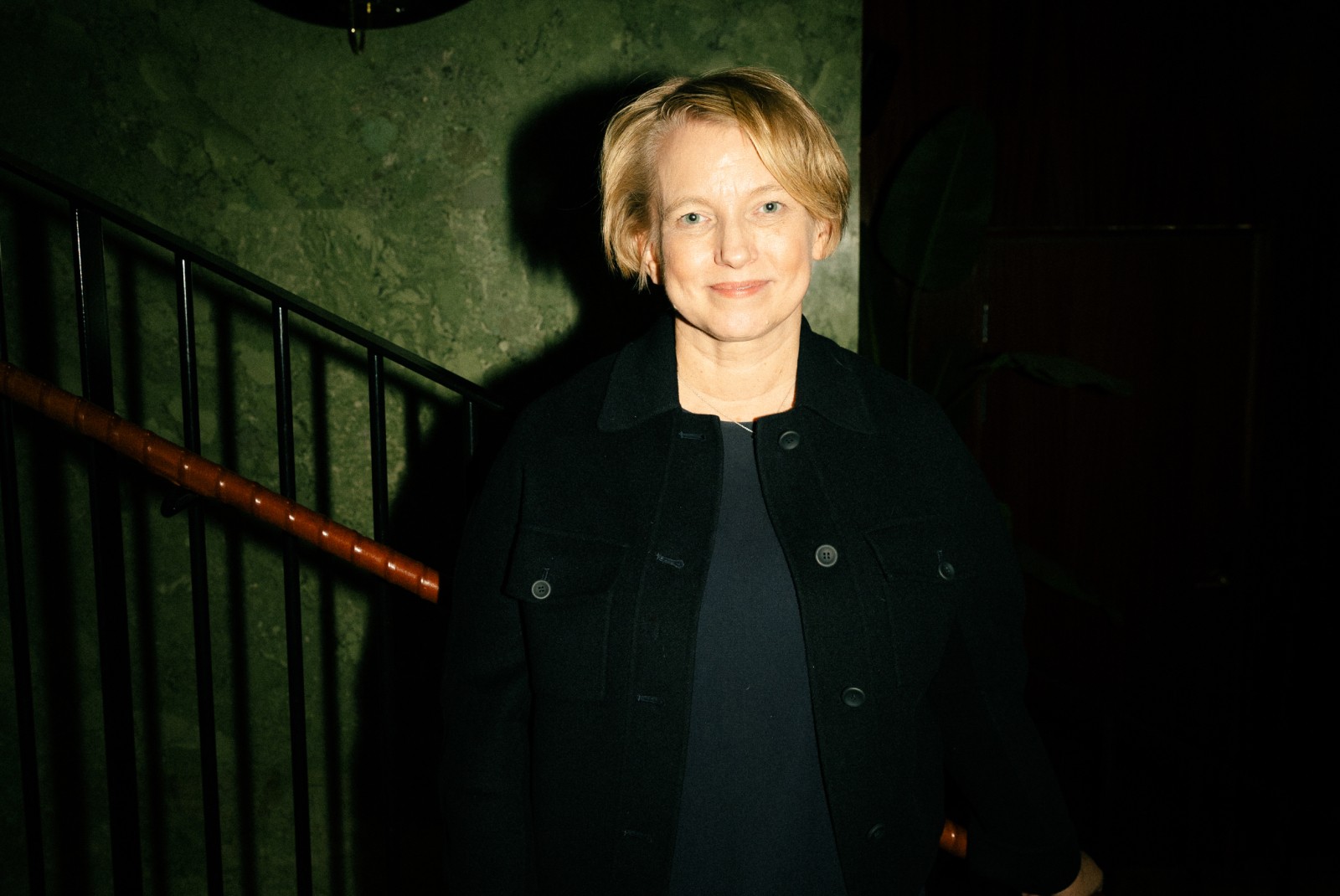
Looking back, Maria-Pia is proud to have played even a “tiny part” in keeping more women in private practice, and to have been one of the early female managing partners in Europe. She sees those milestones not as personal achievements, but as proof of what intentional leadership can make possible. And she’s equally clear that the next generation has every opportunity to go further.
For young women entering the profession, her message is simple: “Law is a remarkable career because it exposes you to so many industries, so many ways of thinking, and such a wide range of brilliant, engaged people. It is a place where you can shape your firm, your environment, and your long-term trajectory far more than many realize.”
“Firms,” she notes, “are hungry for new voices, they want to understand their own demographic future, and they want younger lawyers to contribute to it. Making your voice heard matters. Seeking out people who will invest time in you matters. And sometimes,” she says, “that means being the one to reach out, ask for support, and invite the conversations that open doors.”
But for all the progress made, what excites her most lies ahead. “We are at a paradigm shift,” she says. “Greater diversity, AI, new business models, new expectations from clients, all of it is converging. This moment will shape the next era of law.”
For Maria-Pia that convergence is not theoretical; it is the mandate. It is a chance to build a new kind of legal organization from the ground up. A chance to rethink structure, scale, diversity of talent, and technology. And a chance to show what real leadership looks like in a profession entering its most transformative decade.