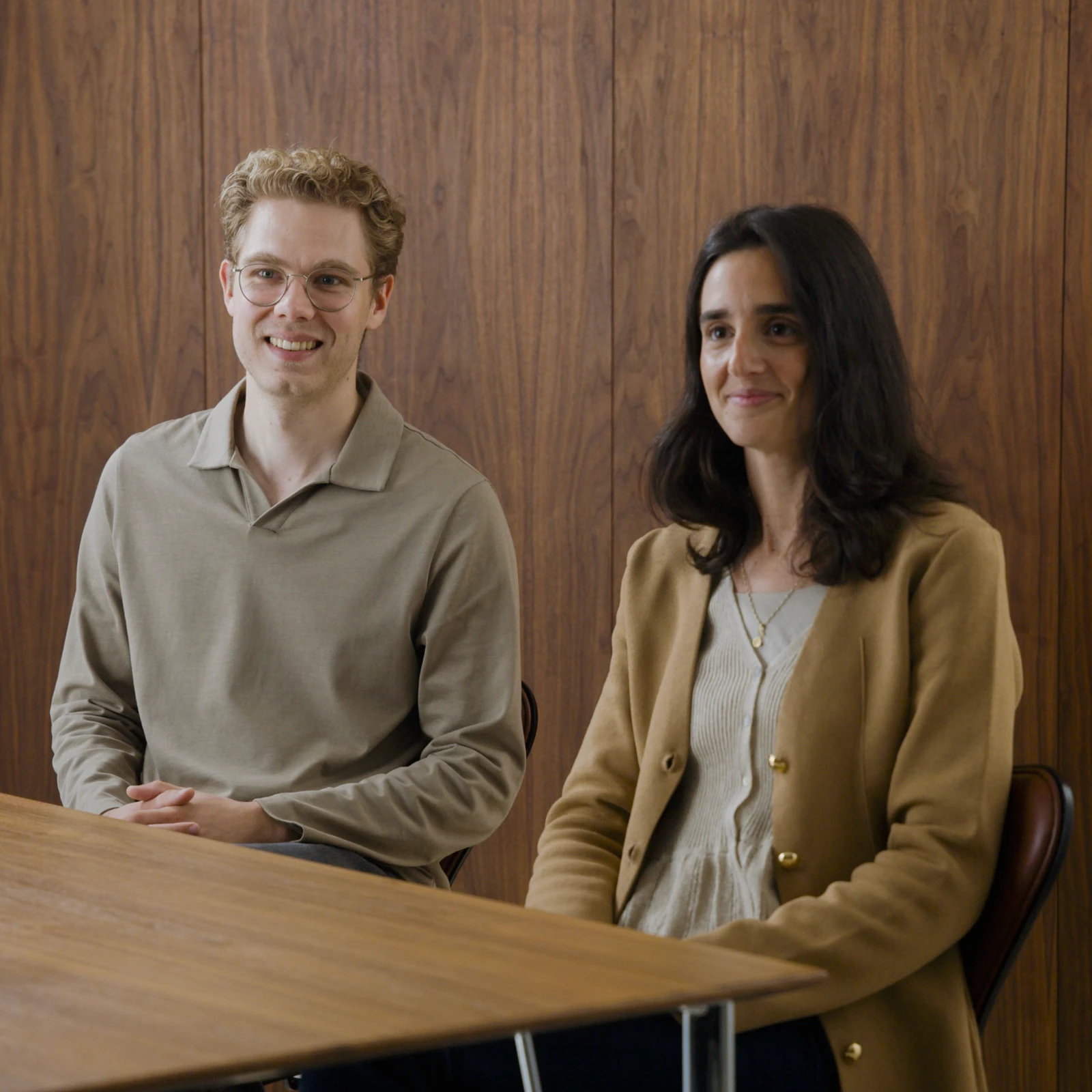
The legal professionals who are reshaping and reimagining what it means to work in the legal world inspire us. We call them ‘The Shapers’. They’re our power-users, who are challenging traditional legal work and helping the industry evolve. This week we’re in discussion with Oliver Ribera Gil, Head Counsel at Spanish fashion giant Desigual, famous for its bold, colorful, and unconventional designs. We talk about balancing speed, solidity and security amid constant change, and the importance of curiosity, good communication and having the courage to innovate.
What made you want to study law?
“I didn’t start out in law. I started in engineering, but I very quickly realized I didn’t fit in. That forced me to ask myself what I actually like. Because often you just get carried along by the current and don’t stop to question things.
“I needed a more humanistic side, a connection to how we live together as a society. That’s why I chose law. What I loved was the immediate link between theory and practice. I’ll never forget my first Civil Law class: they told us that buying a bus ticket is a contract. Nobody thinks of it like that, but it is. That kind of thing motivated me a lot. From then on, I went through my law degree with a clear motivation. That intersection of rules, practical application, and society – that’s where I felt at home.”

Why did you specialize in business and corporate law in particular?
“I think organizations are the engine of the economy, making societies move forward. That’s what drew me into business and corporate law, being right there in the middle of the challenges companies face, seeing how decisions have real tangible impact.
“I find client satisfaction and the growth of a brand very motivating. On top of that, the business environment is where innovation is really put into practice. So the chance to combine progress, innovation, and law just made sense. In a company, you get a full 360° view, from start to finish. That gives everything much more meaning.”
What do you find most interesting about your work?
“Honestly it’s the variety. The constant change. Every project demands you to learn something new, whether that’s adapting to new environments, new colleagues, different cultures or regulatory changes. Especially in a holding like this, where you’re exposed to people from completely different industries, the learning never stops. Not just in law, but in business in general. That’s what keeps it interesting. Nothing stays the same, people and contexts are always evolving. I never get bored.”
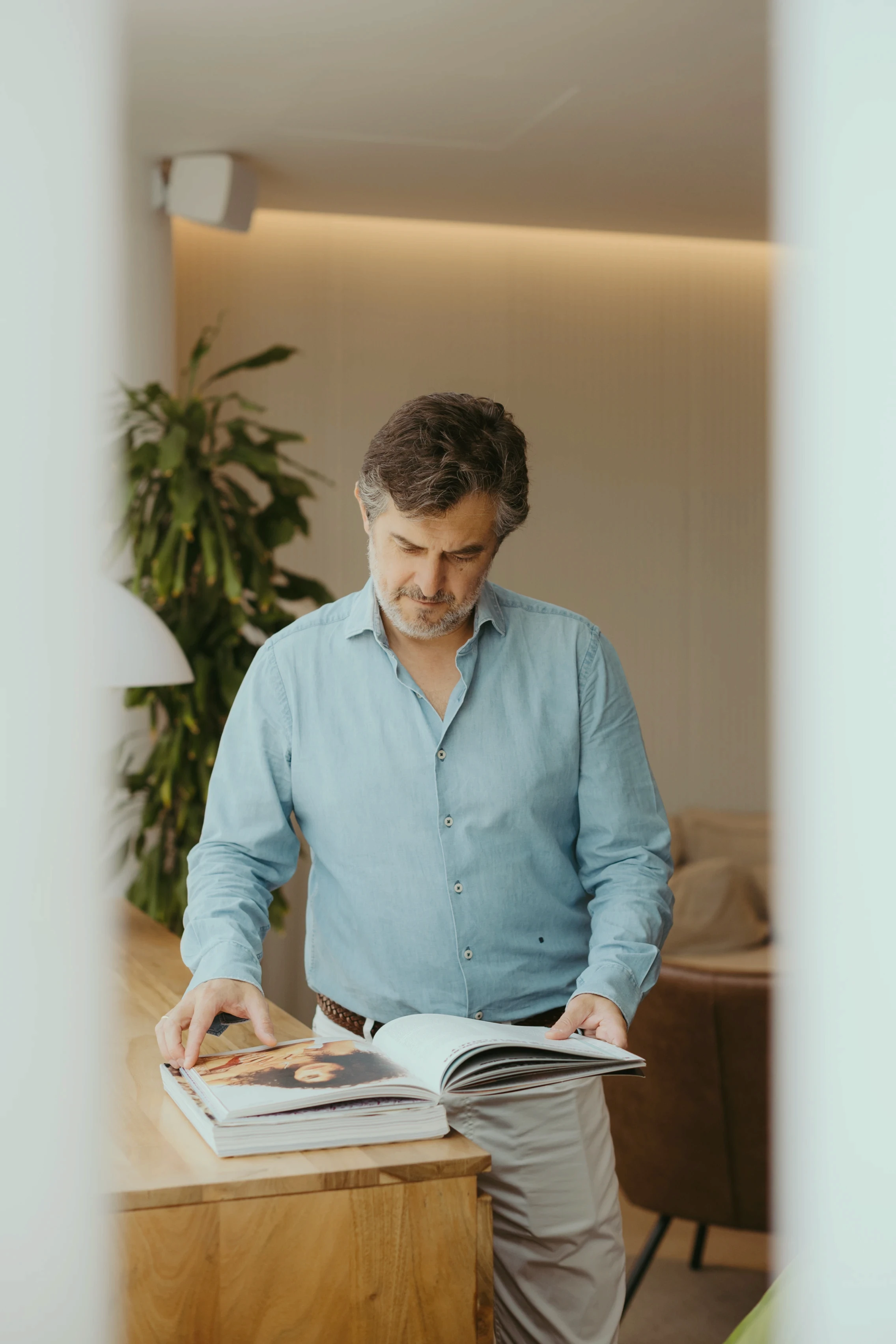
What do you find most challenging?
“The hardest thing is balancing speed with solidity and legal security. Those aren’t always aligned, and sometimes they even clash. That forces you to take a very practical, business-minded approach as a lawyer. It’s not about creating obstacles but offering solutions, and managing risk in a way that’s acceptable for the company.
“There’s a phrase I like: it’s not about finding the best legal option, it’s about finding the best legal option for the company. And those aren’t always the same thing. That’s what makes it interesting: shaping law to fit business needs. But it’s also challenging, because you need lots of communication, teaching, adaptability, and above all, a deep understanding of the business. I always tell my team: this is about business, business, business. You need to understand it inside out. That’s how you move from being a blocker to being an enabler, and a decision maker.”
What impact does technology have on your work?
“When I was at a law firm, I remember the early document managers. Before that, files and case histories were literally a room full of folders. We printed emails, sorted them by client, by year. It was unbearable. The amount of space, the waste of paper, it was a sustainability nightmare.
“Technology has had a positive impact. It’s made life easier. But I think today we’re at a bigger turning point: Artificial Intelligence. It’s not just about helping us find or organize things faster, though it does that. The real leap is that AI lets us communicate in natural language, no coding, no barriers. That’s a paradigm shift. And it’s here to stay. We need to embrace it and learn how to get the most out of it.
“For me, the key is to stop seeing AI as just a tool, and instead see it as another team member. AI is an agent, taking on tasks and processes. That’s huge. I see it more as an opportunity than a challenge. The people who adapt fastest, who use these tools to bring value to their companies, are the ones who will succeed.”

What aspects of your work do you enjoy that people might find surprising?
“Something that often goes unnoticed but is essential is communication. Translating legal issues into language that people without a legal background can understand. If you explained things using legal jargon, it would sound complicated and alien. But when you adapt and translate it, that’s powerful.
“It’s a skill you build naturally in the corporate world, because if people don’t understand you, nothing moves forward. Over time, you learn to adjust your language to your audience and to the situation. And honestly, I enjoy that a lot. I like taking something complex and making it simple.”
What advice would you give someone on what it means to be a lawyer today?
“When I started out, the firm environment was very traditional and conservative. But I’d tell younger people not to be afraid to do things differently. Innovate. Try new approaches, even if it means making mistakes, because that’s how you learn.
“Innovation has always been one of my values, especially now at Desigual, where it’s part of the company’s DNA. And it ties in with technology. Be curious, ask questions, experiment, compare, don’t just accept the status quo. If something doesn’t make sense, try doing it differently, but test it, work on it, don’t just complain.
“Other key things would be to learn to listen, and really understand others’ needs. Communicate clearly and empathetically. Make sure communication goes both ways. And embrace technology naturally, don’t treat it as something forced. Figure out how to integrate it into your daily reality. If you wait for it to fall from the sky it’ll be too late. Someone else will have already done it and left you behind.
“The only real limit is time – 24 hours in a day isn’t always enough to test everything I’d like. But my advice is to stay curious, innovate, embrace tech, and above all, communicate well.”