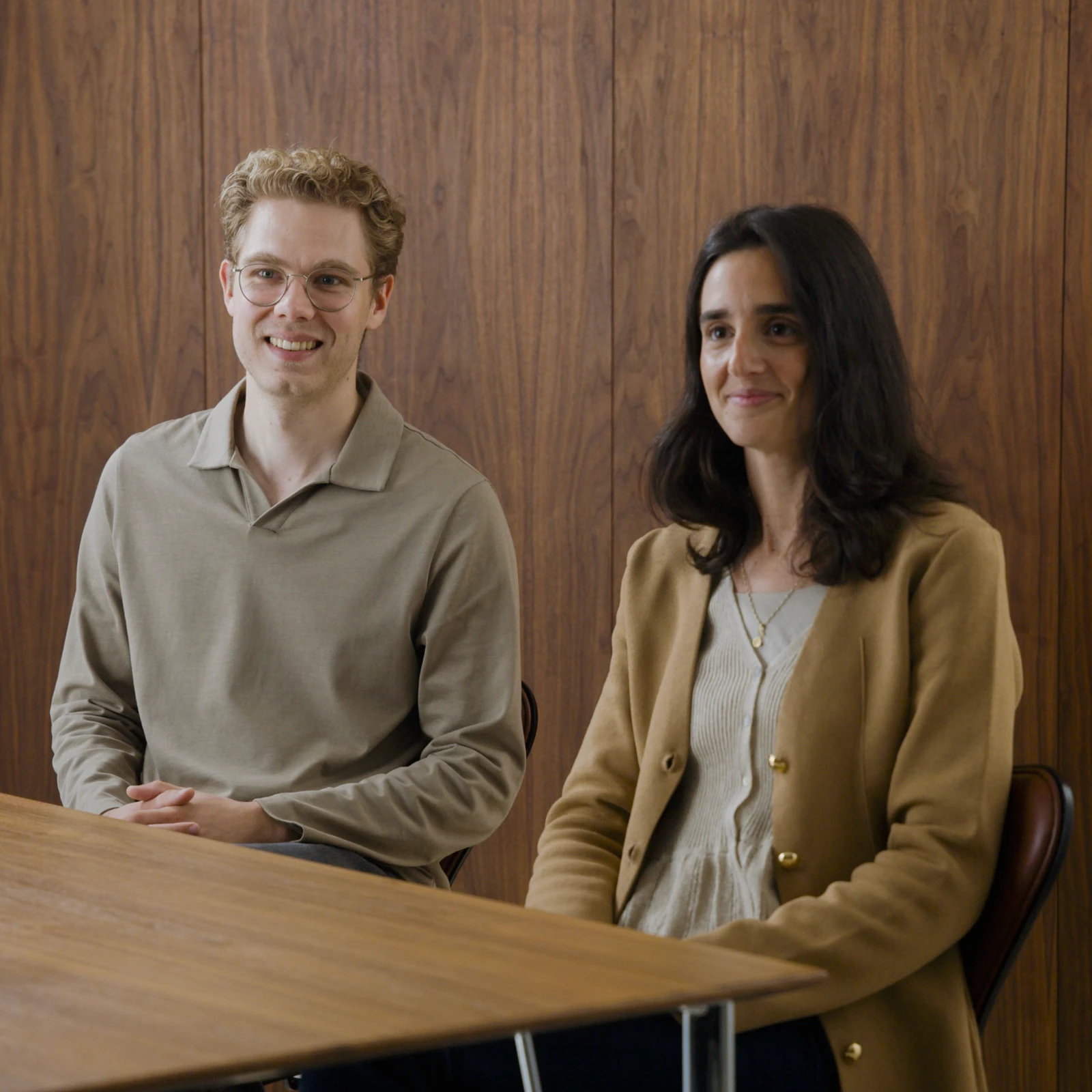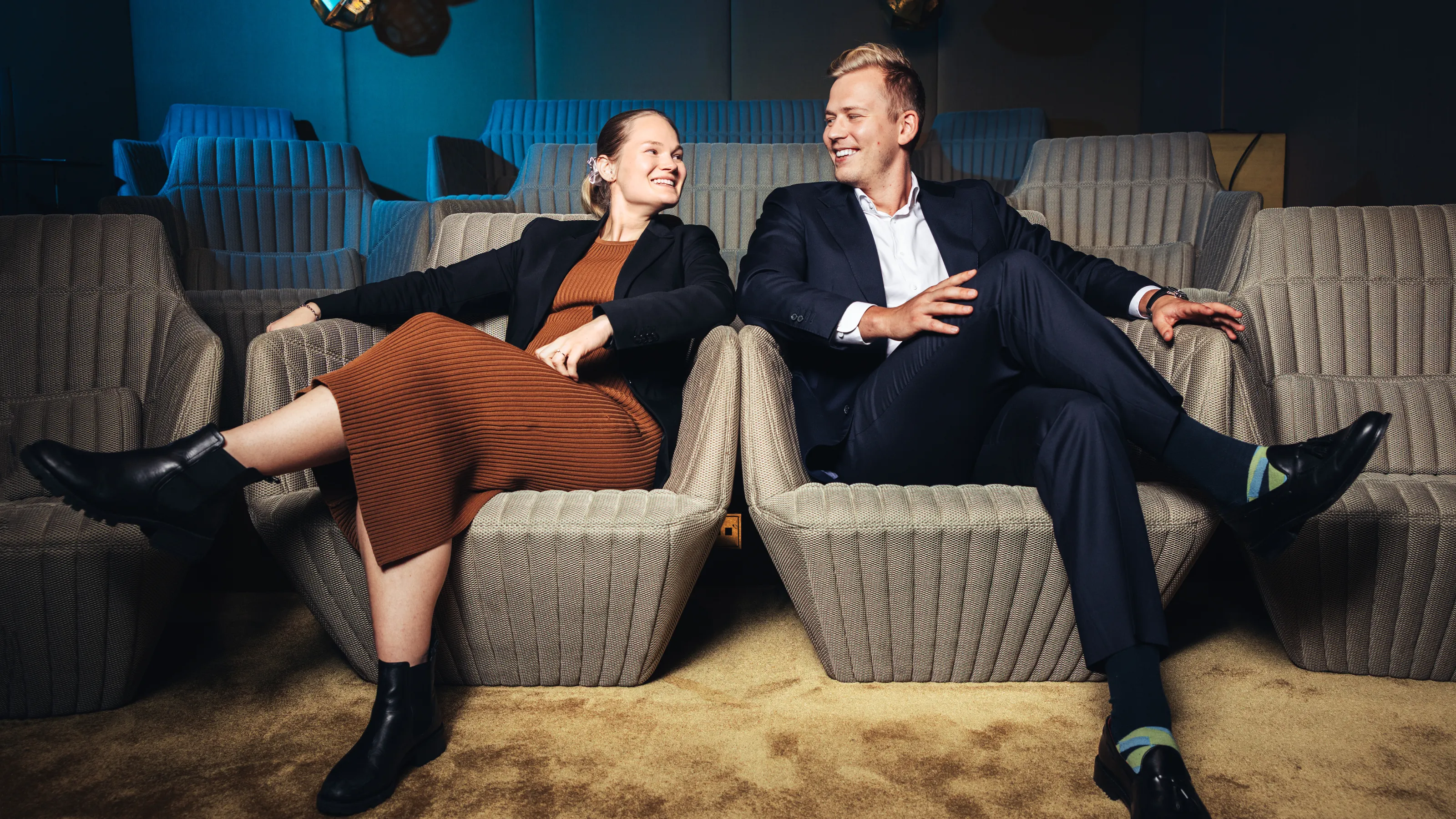
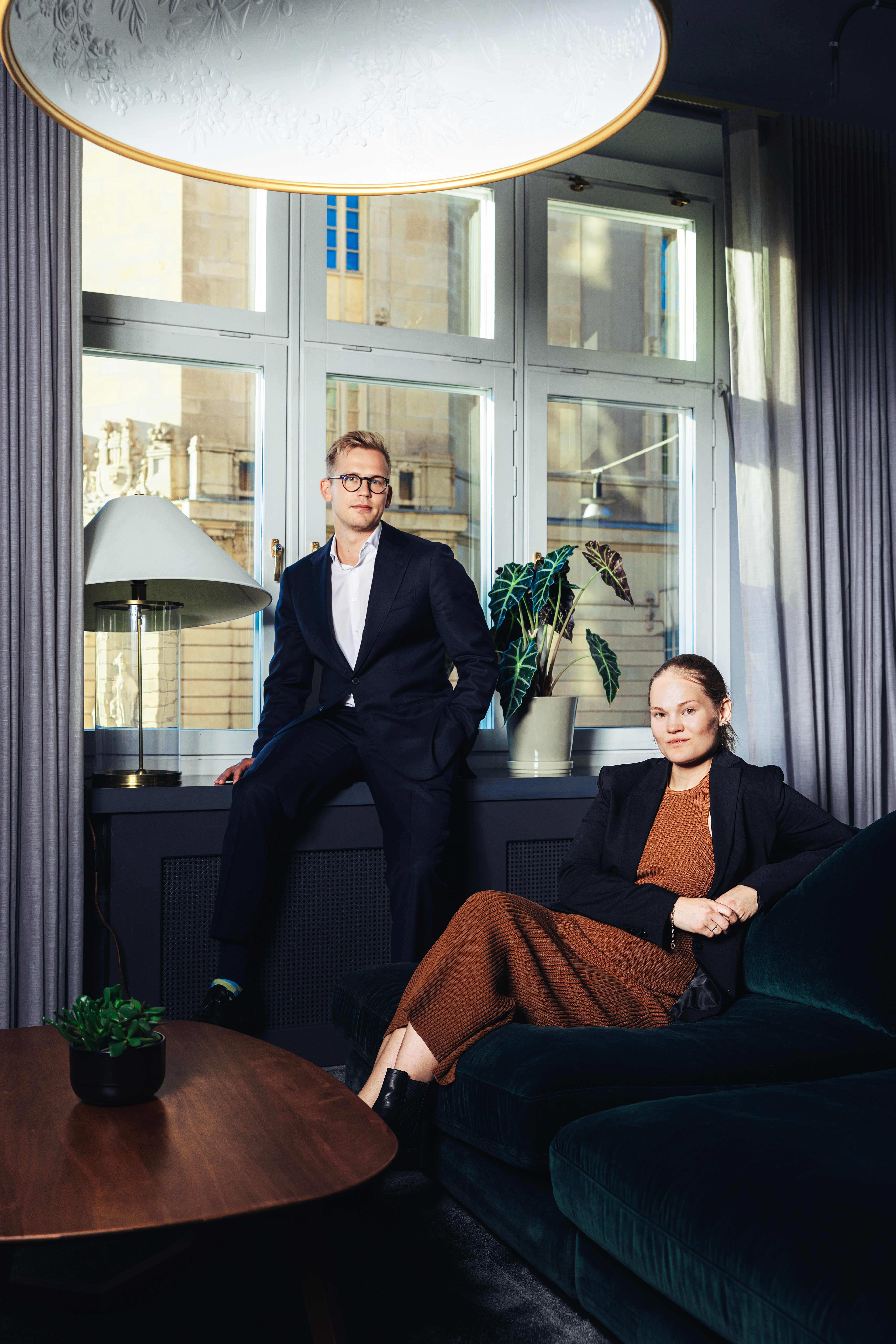
The legal professionals who are reshaping and reimagining what it means to work in the legal world inspire us. We call them ‘The Shapers’. They’re our power-users, challenging traditional legal work and helping the industry evolve. Today, we meet Hugo Stålbröst and Sascha Andersson – the Magnusson Law lawyers reshaping how law is practiced, one deal and one data point at a time. We dive into why they chose M&A and environmental law as specialisms, and what AI means for law’s newest recruits.
How did you end up in law?
Hugo: “When I was in upper secondary school I read a lot of true crime literature and thought that criminal law sounded interesting. Specifically the reopening of cold cases. That was what made me start studying law.”
“I'm also a middle child, so justice has always been close to my heart. I liked finding something where you can have a bit more control over what's right and wrong.
I thought I would become a criminal lawyer. And then I started studying law and realised I didn't want to. Business law was what I found most interesting at university, so that was my way in.”
Sascha: “I wanted to become a police officer. In reality being on the front line is quite scary, so I studied law and thought I’d become a prosecutor, which was close enough to the justice dream.”
“But then when I studied environmental law, I got a taste for it quickly. In the beginning it was very much about standing on the barricades, fighting our time's biggest challenges. But I got a more balanced view the more I actually started working with it.”
What do you find most interesting or exciting about your work right now?
Hugo: “At Magnusson, we are currently involved in very intense M&A projects for both international clients and local players which is very exciting. It may sound surprising, but I also get a lot of energy from crafting a really tight contract, with clear cross-references and well-structured definitions that truly work. That’s something that really motivates me.
Sascha: “What I find both challenging and exciting is that environmental law is very dynamic. A lot happens all the time. There’s constant research and technology development, and you have to take into account the political dimensions of it. You need to be responsive but also empathetic in your work, and I think that's nice. It's not just law.
“I get to work closely with lots of different experts, everything from hydrogeology to bark beetles, so I get to meet fascinating people and gain a lot of unexpected knowledge.”
What are the biggest challenges?
Hugo: ”Probably the type of processes within private M&A. It’s a very heavy assignment to help an entrepreneur do the biggest deal of that person’s life. It's a huge amount of trust that's placed on you, to make it work. But it's also rewarding to work closely with people who sell their lives' work, because we get the combination of personal and business in law. It’s such an important deal for the individual.”
Sascha: “From my perspective, we have clients applying for permission to expand their operations and there's a lot of trust involved. They leave the future of their businesses in your hands, which is a huge privilege.”
How has technology changed the way you work?
Hugo: “With AI, you suddenly have a sounding board for different contexts, and to help formulate emails and texts. That email that took 45 minutes to write, I can suddenly do it in ten minutes. That's a big difference for me to have that assistance.”
Sascha: “It's the same for me. Speed and efficiency. We sit with enormous amounts of documents, often to find information that's hidden in a small place somewhere between 300 pages. AI is such an incredibly effective tool to find the information needed and to pinpoint the connections between that information.”
Hugo: “AI distinguishes us from many other consultants. We can go beyond expectations.”
What advice would you give to lawyers qualifying now?
Hugo: “In the beginning of your career you need to be able to trust your own judgement, and make your own conclusions first, before you take inspiration or borrow from elsewhere. I see a simple pitfall lawyers can fall into today. That it’s not you yourself who draws your conclusions or does the analysis, but you let someone else do it. You have to dare to trust yourself first.”
“It might not sound like a modern solution, but that's how you learn. You learn by making mistakes. You learn by doing right, but the important thing is that you actually do the job yourself first.”
Sascha: “No one expects a newly qualified lawyer to know everything, and to come to the table with world-changing analysis. Everyone expects that you do as well as you can. Law students need to have a bit of patience with themselves. It takes time to learn. Also it’s important to do your due diligence on the firms you are interested in working for. Make sure the corporate culture can make you thrive."
Hugo: “You need to give yourself the opportunity to gain enough experience to be able to know if the work that other colleagues or AI does for you is right or not.”
Sascha: “But we also have to consider that if you can free up time from the most basic tasks, to spend more time learning the strategic and commercial aspects of the role, then it's positive. The challenge is that to have a feeling for the strategic and commercial you also need to understand how things work. That is something we work on actively at Magnusson Law with our associates."
So would you still encourage the even younger generation to consider law?
Hugo: “Definitely, we're moving towards services that require more specialisation. I’d say you need to be ready to specialise in law, and find your area to become a nerd in. That should be what you find most fun, then you’ll be good at it. Also, personal qualities still matter, perhaps more than ever.”